
Arrive ready.
Walk with confidence.
Choose your route, get comfortable with your equipment and understand the days ahead. A practical guide to preparing for Kilimanjaro or Mount Meru with Sunset's local team.
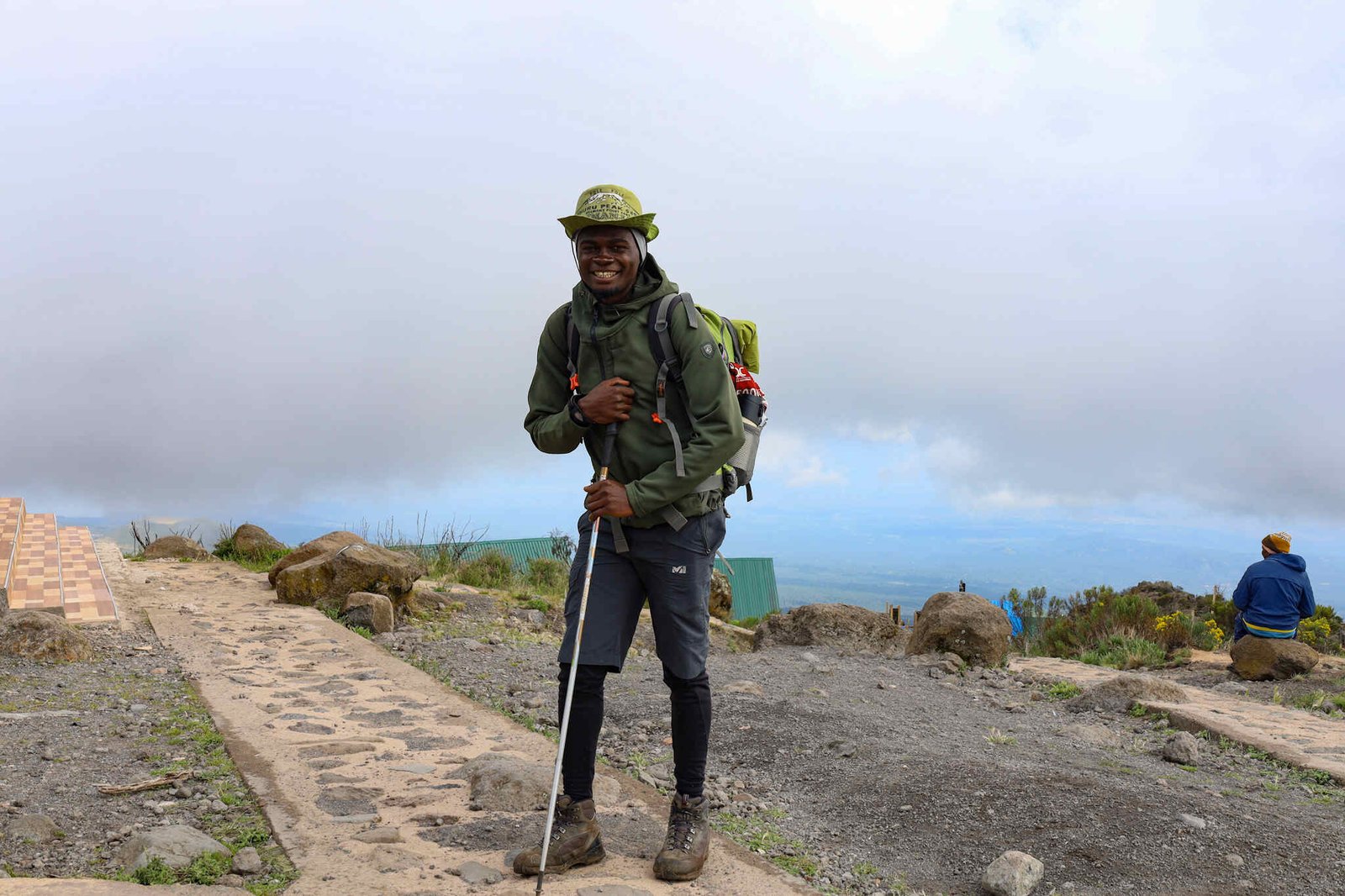
Choose the pace
before the packing.
Begin with the time you can give the mountain. Compare the daily walking, overnight stops and whether you prefer camping or shared huts. A route name alone does not explain how the journey will feel.
Tell us about your longest recent hikes, how comfortable you are on steep ground and whether you have travelled at altitude before. These details make the route conversation more useful.
Keep the mountain days separate from your arrival and departure plans. A little room around the climb helps you settle in, organise your kit and avoid a rushed onward journey.
Prepare for
repeated walking days.
Practise regular walks and build up to longer outings on hills or stairs where possible. Use the boots and daypack you intend to take, so you can adjust them before travelling.
The challenge is more than one long hike. Think about walking again the following day, getting comfortable on uneven ground and carrying the personal items you need on the trail.
Choose a training routine that suits your current health and experience. If you have concerns about fitness or high-altitude travel, speak with a healthcare professional before committing to the climb.
Know the mountain rhythm.
Your preparation should match the walking, the overnight routine and the changing conditions.
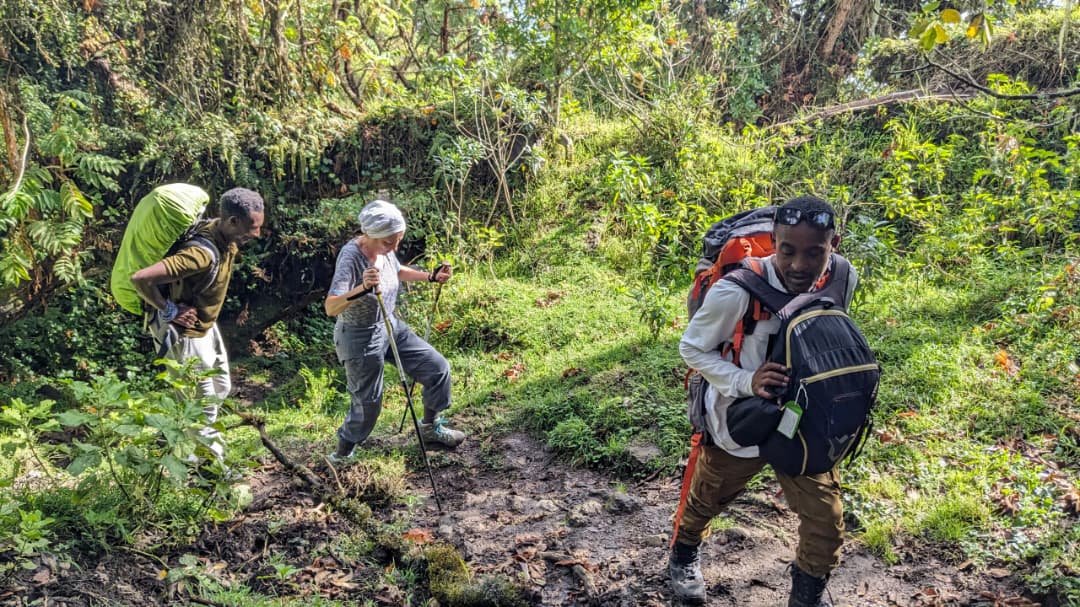
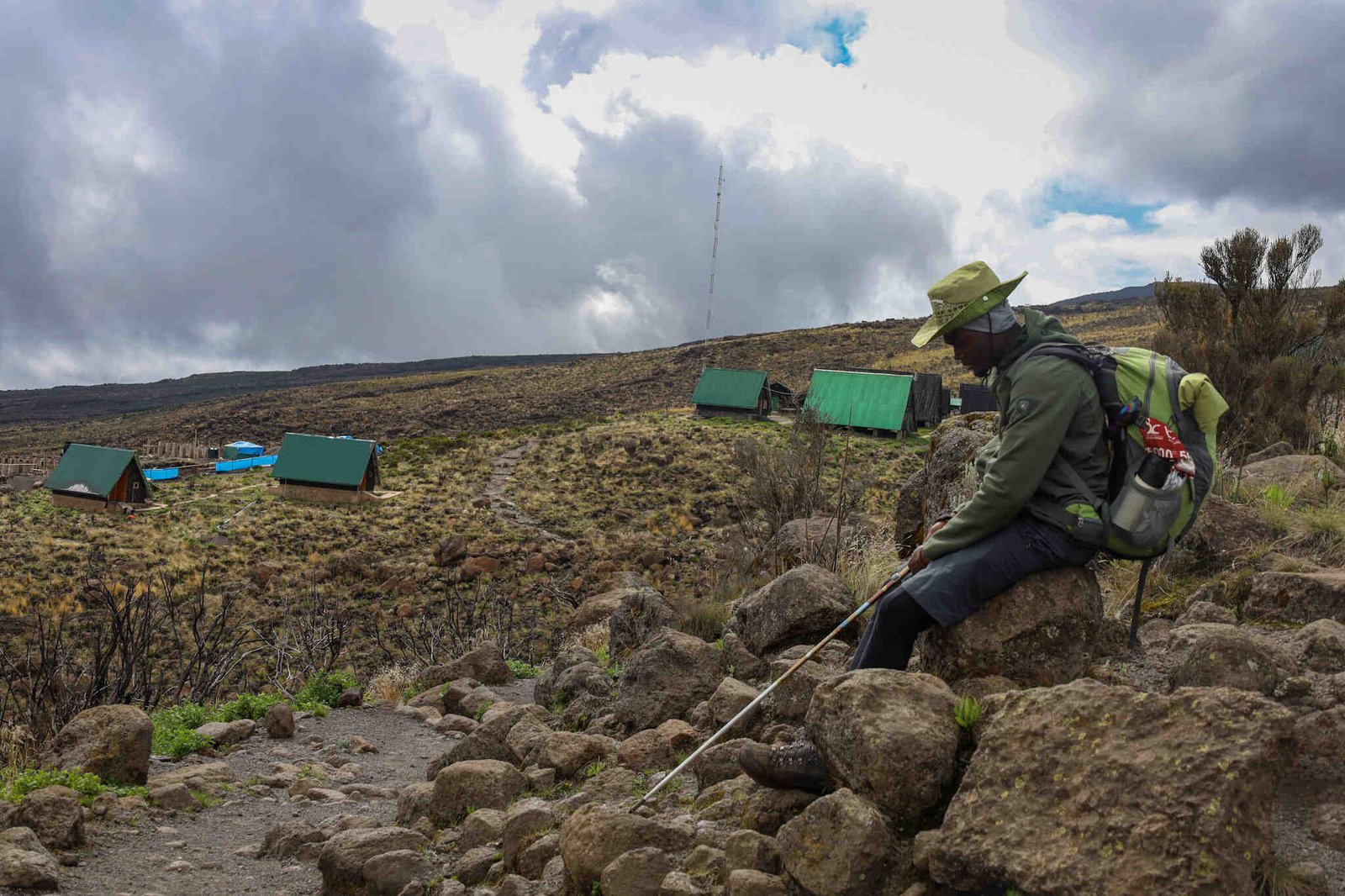
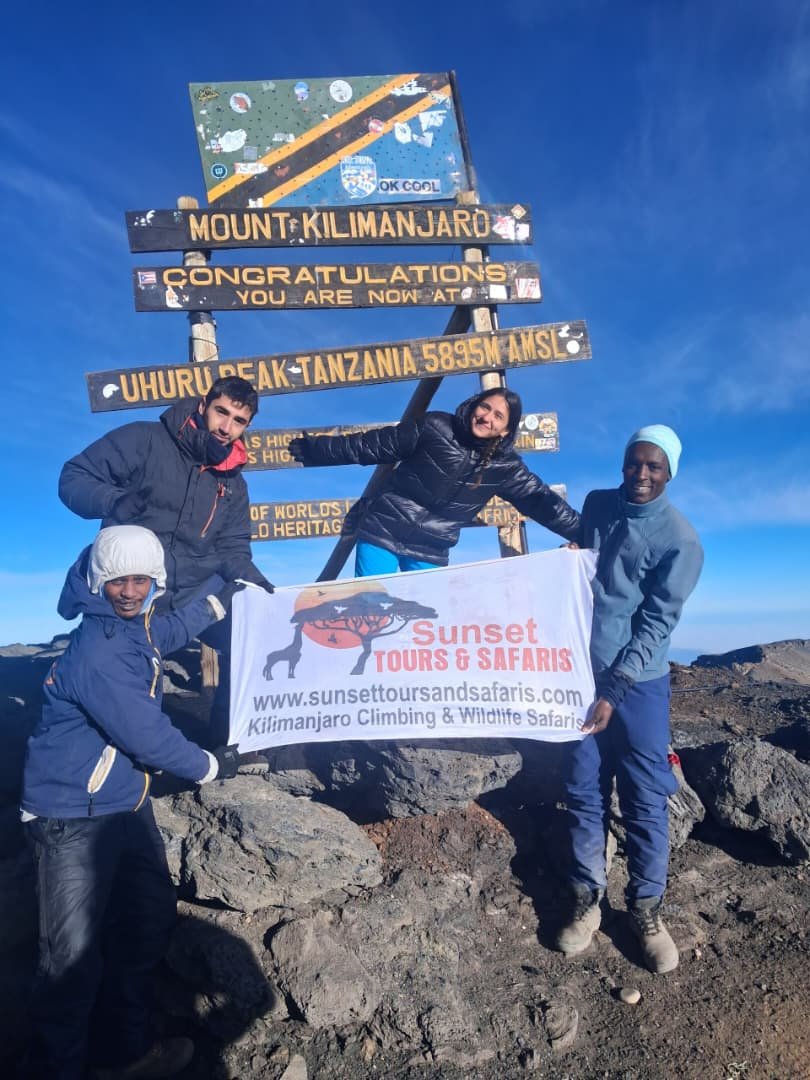
Pack for changing conditions.
While you walk
Comfortable boots, suitable walking layers, waterproofs and a daypack are the starting point. Keep water, sun protection and the extra layer you may need within reach.
At the overnight stop
Plan dry clothes, warm layers and your sleeping equipment around the route. Ask what is supplied, what you should bring and what rental options are available.
For the higher mountain
Discuss insulated clothing, gloves, headwear and a reliable headtorch with the team. Check batteries and try your layers together before your departure.
Ask Sunset for the equipment list for your selected itinerary before buying specialist kit.
Speak up.
Keep your guide informed.
Fitness does not prevent altitude illness. If you feel unwell at altitude, tell your guide promptly rather than trying to hide symptoms or push through them.
Do not continue to a higher altitude while experiencing altitude illness symptoms. Worsening symptoms require descent and appropriate medical attention. A change of itinerary can be the right decision.
Discuss high-altitude travel and any existing health concerns with a healthcare professional before leaving home. For independent preparation information, see the CDC high-altitude travel guidance.
Small routines.
A better experience.
Keep the clothes you need overnight dry and pack the day's essentials before setting out. A familiar routine makes it easier to find things when the weather changes or you arrive tired.
Ask about the next day's stage, the overnight arrangements and meal plans. Tell the team about dietary needs before travelling, so they can discuss what is possible for your trip.
Make room to enjoy the people and scenery along the way. Your guide is there to help you understand the trail, answer questions and bring local context to the journey.
Your questions,
answered.
Have something else on your mind? Tell us when you enquire.
Do I need previous trekking experience?
Tell us honestly about your walking experience. Some routes have steeper terrain or longer days. We can help you compare the pace and overnight style before selecting an itinerary.
What should I carry in my daypack?
Keep the items you need while walking accessible: waterproofs, an extra layer, water, sun protection and personal essentials. Ask for the equipment list and porter arrangements for your selected trip.
Does fitness prevent altitude illness?
No. Fitness helps with the walking but does not prevent altitude illness. Discuss high-altitude travel with a healthcare professional before your trip and tell your guide promptly if you feel unwell.
Should I buy every item before booking?
Start with the route and its equipment list. Speak to our team about what is supplied and any available rentals before buying specialist items.
Can I add a day trip after trekking?
Yes. Share your onward flight and the time available. We can discuss rest time and a Materuni visit, another day trip or a private safari.
Make it your journey.
Tell us a little about your mountain plans. We will help you explore the options and prepare a personal proposal for your party.